

Help Soothe Inflammation With Teas - Part 1
Posted by Sameer Pruthee on 23rd Jul 2023
Many tea drinkers look for herbal and traditional teas that can support a calmer daily wellness routine. When people talk about teas for inflammation, they are often referring to ingredients like turmeric, ginger, and green tea.
These ingredients have a long history in traditional wellness practices and are commonly enjoyed for their bold flavour, warming character, and naturally occurring plant compounds.
This article is part one of a simple guide to teas that are often associated with inflammation support, including turmeric teas, ginger teas, and green teas.
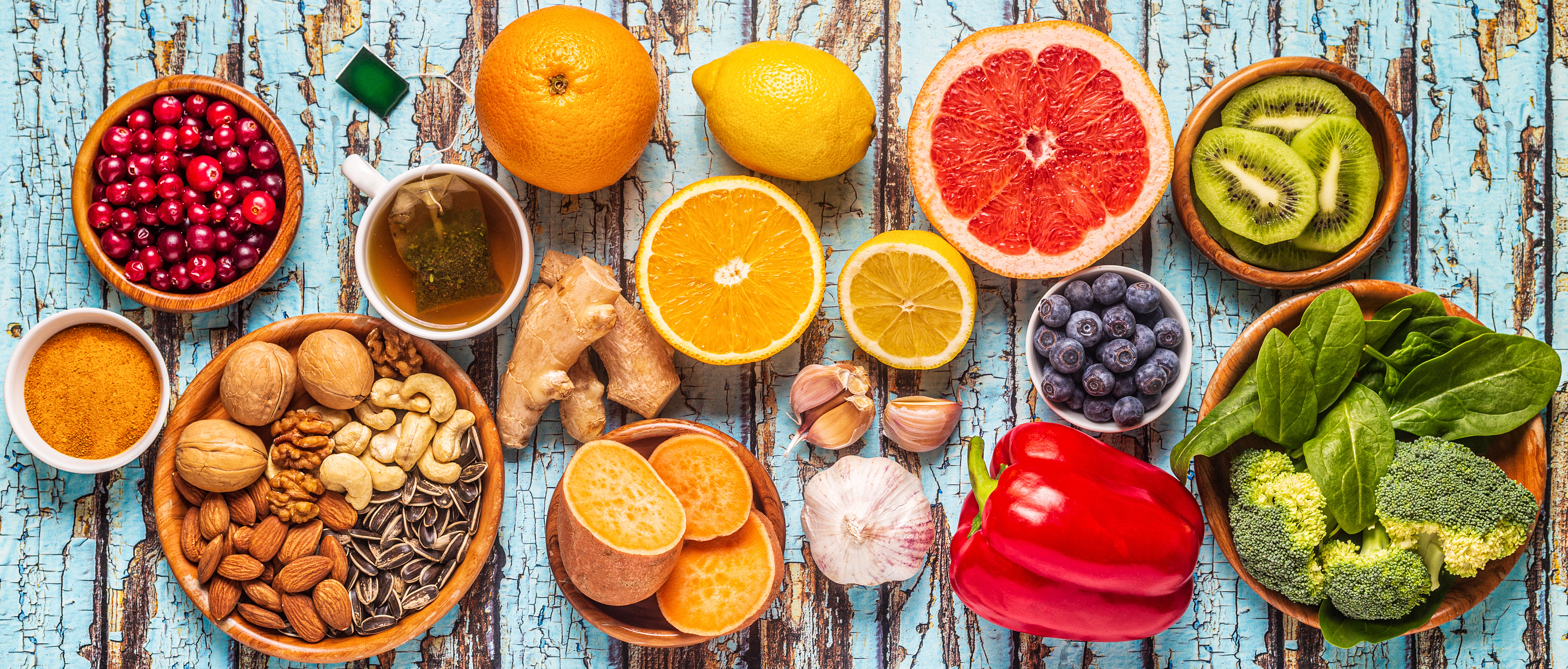
Many wellness tea routines begin with simple plant ingredients such as roots, herbs, spices, and green tea leaves.
Turmeric Teas
Turmeric is a golden spice traditionally used in Ayurvedic and Chinese wellness practices. It comes from the rhizome of the Curcuma longa plant and is also a key ingredient in many Indian dishes, including curry.
The active compound in turmeric is curcumin. Curcumin has been studied for its role in the body’s inflammatory response. Pairing turmeric with black pepper is often recommended because black pepper may help improve curcumin absorption.
Turmeric teas are known for their earthy flavour, golden colour, and warming character. They can be enjoyed on their own or blended with ginger, lemon balm, moringa, licorice, spices, or citrus.
At Vedic Teas, turmeric-based options include Turmeric Cleanse, Well Throat, De-Tox Recreation, Turmeric Magic, Turmeric Lemon Balm, and Root Trio.
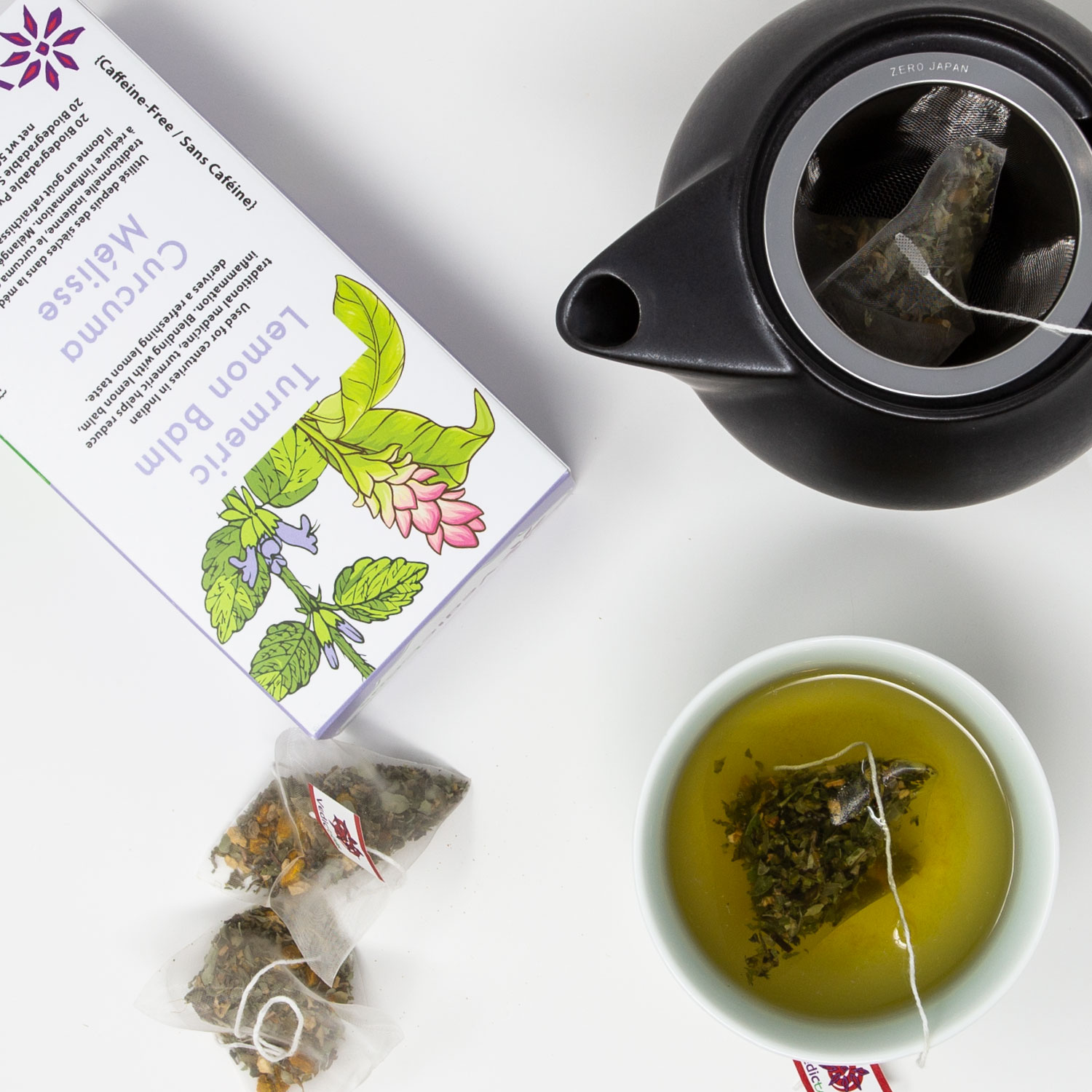
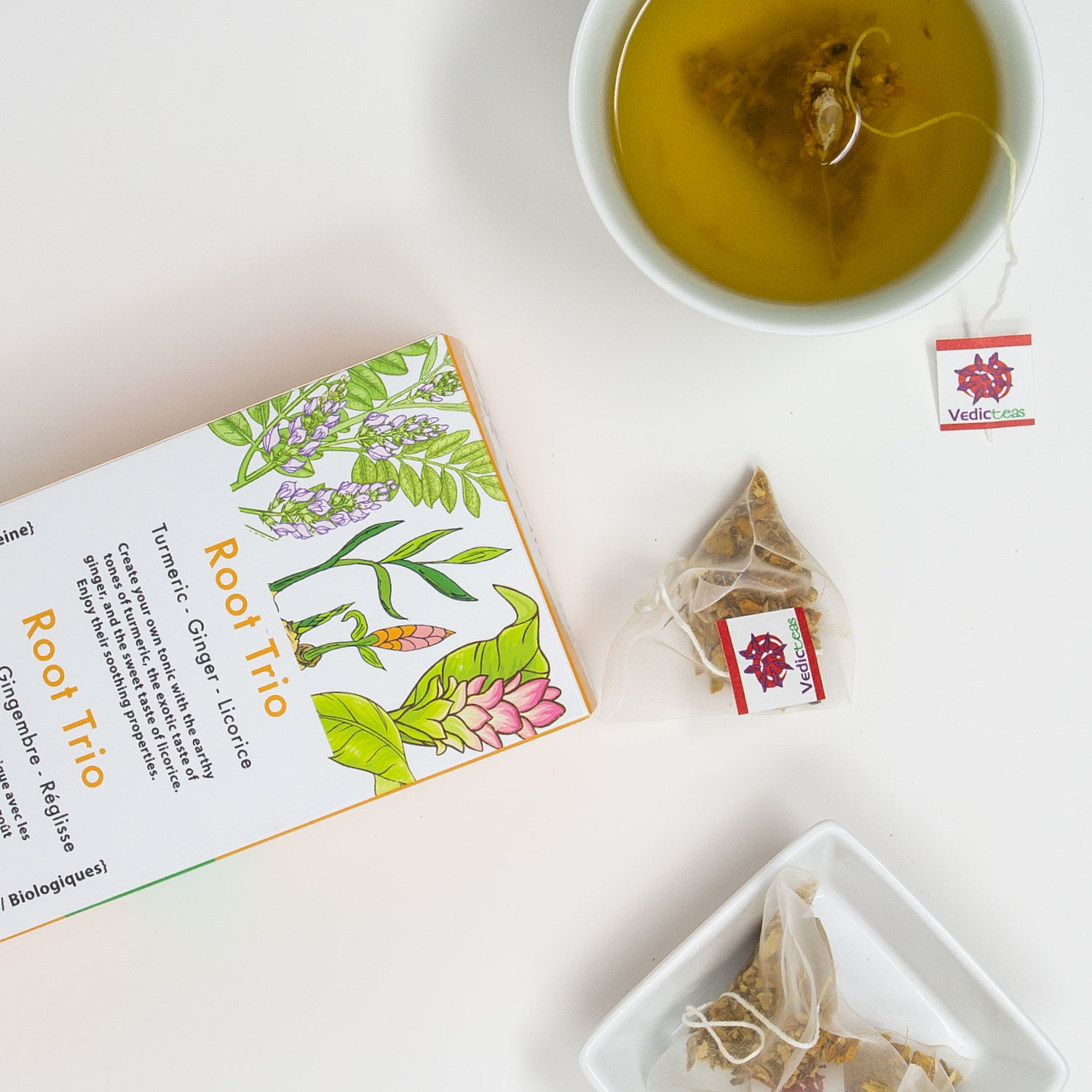
Turmeric Lemon Balm and Root Trio are examples of root-forward herbal blends connected to warm, grounding tea routines.
Ginger Teas
Ginger is a root that has been used for centuries in traditional wellness practices. It is widely used in food, herbal infusions, and tea blends because of its warm, spicy flavour and naturally aromatic character.
The active compound in ginger is gingerol. Gingerol has been studied for its connection to the body’s inflammatory response and is one reason ginger is so commonly used in wellness-focused blends.
Ginger teas are especially popular when customers want something warming, bright, and comforting. Ginger also pairs well with lemon, green tea, chai spices, turmeric, licorice, and herbal blends.
At Vedic Teas, ginger appears in options such as Ginger Lemon green tea, Yoga Tea herbal infusion, and several chai blends.
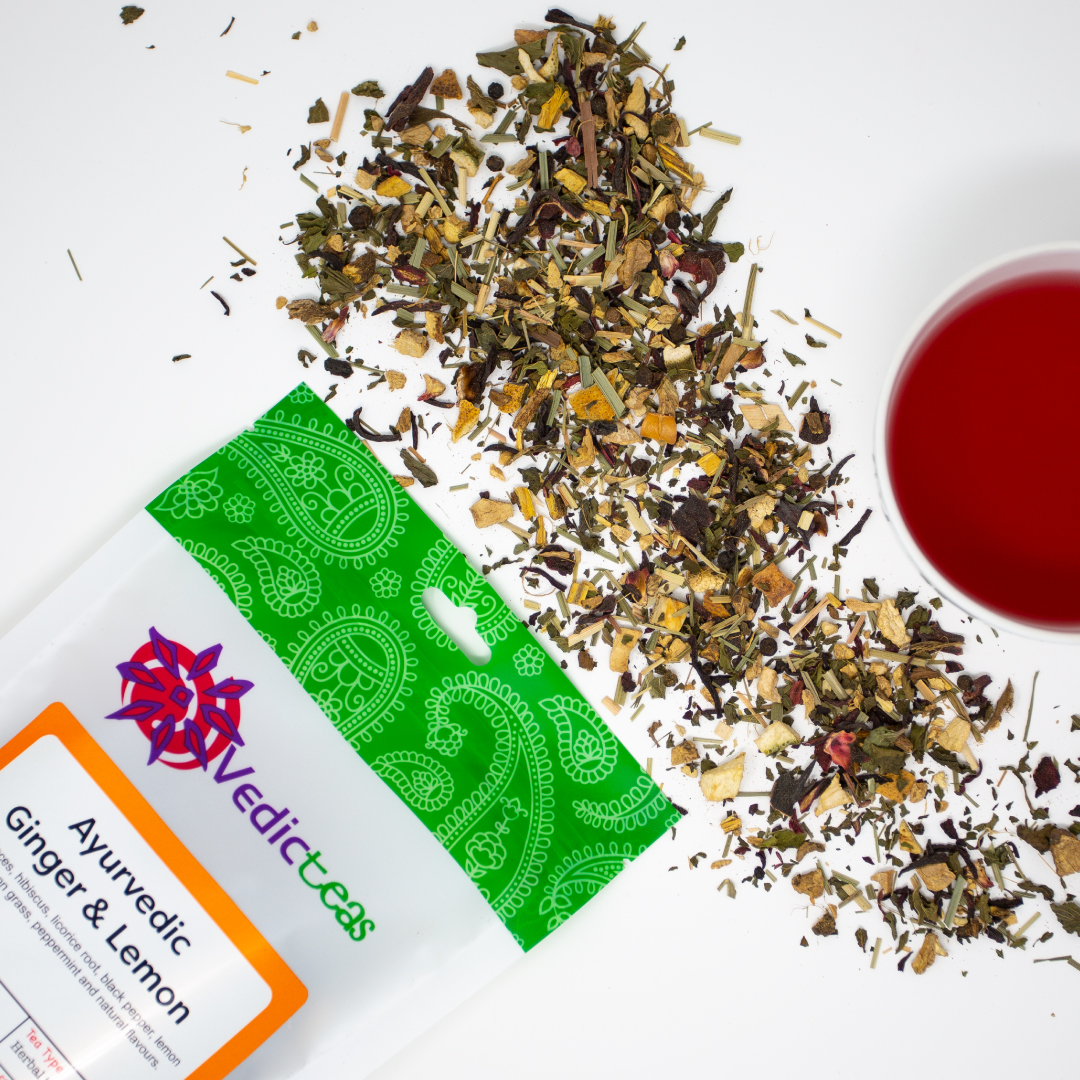
Ginger Lemon offers a bright, warming profile and is often chosen by customers who enjoy ginger-forward teas.
Green Teas
Green tea contains naturally occurring plant compounds, including catechins and epicatechins. These compounds are antioxidants that have been studied for their role in supporting general wellness.
For many tea drinkers, green tea is a simple daily choice. It has a lighter taste than black tea, contains caffeine, and can be enjoyed plain, with lemon, or as part of a flavoured green tea blend.
Adding a cup of green tea to your daily routine can be a simple way to enjoy a clean, refreshing tea with naturally occurring antioxidants.
At Vedic Teas, we offer a variety of green teas for customers who enjoy traditional, flavoured, and wellness-inspired tea options.
Teas Often Chosen For Wellness Routines
Customers looking for teas connected to inflammation support often choose blends with ingredients such as:
- Turmeric root
- Ginger root
- Green tea
- Black pepper
- Lemon balm
- Licorice root
- Moringa leaves
- Chai spices
The best choice depends on the customer’s taste preference, caffeine needs, and wellness goals. For a caffeine-free option, herbal turmeric or ginger blends are often a better fit. For a lighter caffeinated option, green tea can work well.
How To Steep These Teas
Steeping time depends on the blend, but these general guidelines can help:
- Turmeric herbal blends: steep for 5 to 10 minutes
- Ginger herbal blends: steep for 5 to 8 minutes
- Green teas: steep for 2 to 3 minutes, depending on the tea
For root-heavy herbal blends, a longer steeping time usually creates a stronger cup. For green tea, avoid over-steeping because it can become bitter.
Steeping Guide
Steep turmeric and ginger herbal blends longer for a stronger cup. Steep green tea gently for a shorter time to keep the flavour smooth.
Important Note
These statements have not been evaluated by the CFIA or FDA. Vedic Teas products are not intended to diagnose, treat, cure, or prevent any disease.
Turmeric, ginger, green tea, and other herbs may not be suitable for everyone. Always consult your health practitioner before using herbs or herbal blends, especially if you are pregnant, breastfeeding, taking medication, managing a medical condition, or considering high doses or supplements.
Final Answer
Turmeric tea, ginger tea, and green tea are commonly chosen by customers interested in wellness routines and inflammation-supporting ingredients.
Turmeric is known for curcumin, ginger is known for gingerol, and green tea contains catechins and epicatechins. Each one brings a different flavour profile and can be enjoyed as part of a balanced tea routine.
References
Vedic Teas: Help Soothe Inflammation With Teas - Part 1.
Vedic Teas product and ingredient references.
Traditional herbal and tea references for turmeric, ginger, and green tea.
#AntiInflammatoryTeas
#HealingTeasForInflammation
#HerbalTeasForInflammation
#NaturalRemediesForInflammation
#TeaForArthritis
#TeaForDigestiveHealth
#TeaForInflammationAndPainRelief
#TeaForJointPain
#TeaForSoreMuscles
#VedicTeas