

Herbal Benefits of Chamomile Tea And How To Brew?
Posted by Sameer Pruthee on 23rd Jul 2023
Chamomile is one of the most familiar herbal infusions in the world. It is gentle, floral, naturally caffeine-free, and often enjoyed in the evening as part of a calming tea routine.
Chamomile is commonly found in two main types: German Chamomile, also known as Matricaria recutita, and Roman Chamomile, also known as Chamaemelum nobile. It is sold in flower form, loose leaf herbal blends, pyramid tea bags, and wellness-focused infusions.
At Vedic Teas, chamomile is used in several calming herbal blends because of its soft taste, golden cup colour, and traditional use in relaxing tea rituals.
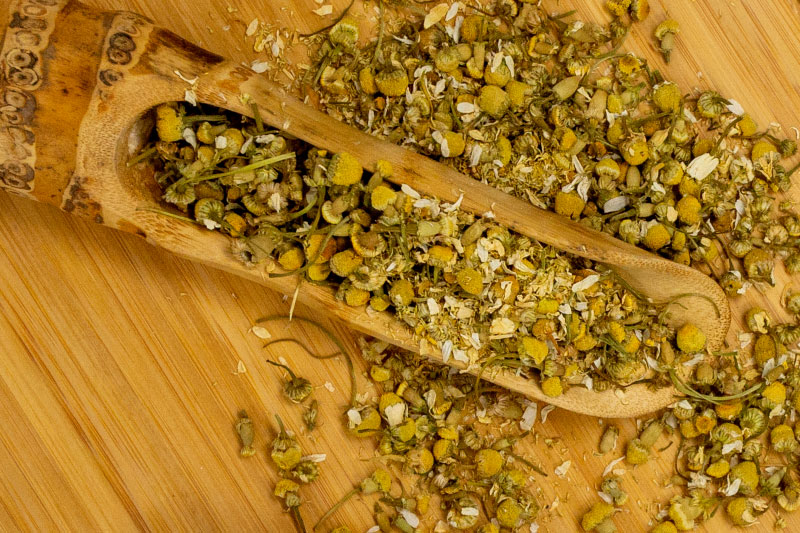
Chamomile flowers create a naturally caffeine-free herbal infusion with a soft floral aroma and gentle golden cup.
What Is Chamomile Tea?
Chamomile tea is not made from the traditional tea plant. Instead, it is an herbal infusion made from dried chamomile flowers. Because it does not come from black tea, green tea, white tea, or oolong tea, it is naturally caffeine-free.
The infusion has a soft floral aroma, a light golden colour, and a naturally mellow flavour. Many people enjoy chamomile tea on its own, while others prefer it blended with lemon, mint, lavender, spices, or other calming herbs.
Traditional Herbal Benefits Of Chamomile
Chamomile has been used in traditional herbal practices for digestive comfort, inflammatory conditions, menstrual discomfort, nervous tension, and general relaxation.
It is also commonly enjoyed before bedtime because of its gentle and soothing character. For many tea drinkers, chamomile is part of a simple evening routine: warm water, dried flowers, a quiet cup, and a few minutes to slow down.
Chamomile is largely sourced from Europe and Egypt. Developing sources can also be found in temperate parts of Asia, Australia, and North America.
Chamomile Blends From Vedic Teas
At Vedic Teas, we offer several chamomile options for customers who enjoy calming herbal infusions:
- Ayurvedic Series Evening Time loose leaf tea
- Chamomile Lemon in pyramid tea bags
- Chamomile Lemon loose leaf tea
- Organic Chamomile Flowers
These blends are a good fit for customers looking for caffeine-free herbal teas, gentle evening infusions, or soft floral blends with a naturally calming taste profile.
How To Steep Chamomile Tea
Chamomile flowers need a longer steeping time than many traditional teas. This allows the flowers to fully release their aroma, colour, and flavour.
For best results, use:
- 2 teaspoons of chamomile flowers per 300 ml cup
- Freshly boiled water
- 8 to 10 minutes steeping time
You can enjoy chamomile tea plain, or add lemon, mint, or a small amount of sweetener if preferred.
Steeping Guide
For best results, use 2 teaspoons of chamomile flowers per 300 ml cup and steep for 8 to 10 minutes.
When To Drink Chamomile Tea
Chamomile tea is often enjoyed in the evening, after meals, or during quiet moments when you want something warm and caffeine-free.
It can also be a useful option for cafes, wellness studios, hotels, restaurants, and retail tea programs because many customers look for caffeine-free herbal options later in the day.
Important Note
Chamomile should not be consumed by pregnant or breastfeeding women without professional guidance. Always consult your health practitioner before you start consuming herbs or herbal blends, especially if you have allergies, take medication, or have a medical condition.
Final Answer
Chamomile tea is a naturally caffeine-free herbal infusion made from dried chamomile flowers. It is known for its soft floral taste, gentle aroma, and traditional use in calming tea routines.
For the best cup, use 2 teaspoons per 300 ml cup and steep for 8 to 10 minutes.
References
Heinerman's Encyclopedia of Healing Herbs & Spices by John Heinerman, 1996.
The Complete Guide To Herbal Medicines by Charles W. Fetrow and Juan R. Avila, 2000.
Eyewitness Companions: Herbal Remedies by Andrew Chevallier, 2007.
#CalmingTea
#Chamomile
#ChamomileTea
#ChamomileTeaBenefits
#HerbalInfusions
#HerbalTea
#Tea
#VedicTeas